









Australia’s Commercial Radio & Audio has teamed up with market research firm GfK to develop a hybrid audio measurement system for the radio industry. John Musgrove, head of research for CRA, gives insight on the project.
RedTech: What prompted the need for change?
John Musgrove: With new technology and changes in listening behavior, ad agencies and clients would comment on the need for better radio measurement. The diary methodology goes back over 70 years in Australia, and it’s fair to say that, globally, it has served radio and TV well during those years. TV moved to passive measurement some time ago, but we could argue that it is much easier to place passive measurement devices in a home that would capture 100% of TV viewing. The mobility of radio and its use everywhere makes that harder.
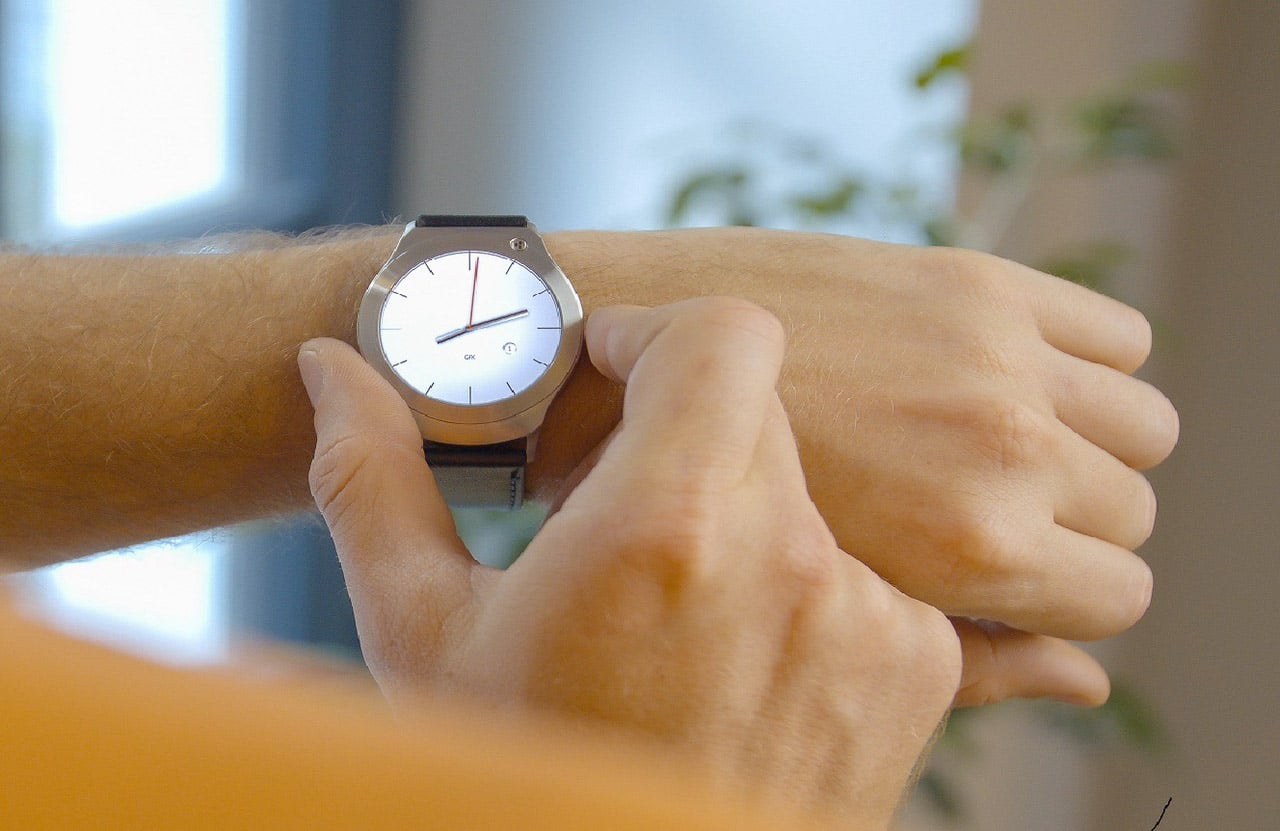
There have been a number of attempts at passive measurement through watches and PPMs, but after investigating their use in various markets, it was Commercial Radio & Audio’s view that each method came with its own challenges, and many debated the results. CRA determined the diary was still the most robust measurement, and until there was a solid example of electronic measurement proving accurate and well-accepted, then Australia would maintain the well-tested and reliable diary method while watching any new global studies or introductions.
About four to five years ago, GfK approached CRA with the offer to be the first to trial a measurement study that would allow a deeper examination of several data sources from the same person — watch, diary, phone app and station streaming data. This would allow comparisons of the correlations and variances across them all and enable modeling to potentially create a “hybrid” system of measurement rather than one reliant on a single source of data.
RedTech: How is the new measurement different from the previous methodology and practice?
Musgrove: Its major difference is that it doesn’t use a single data collection source. A hybrid system will take a range of current data collection sources to compare and correlate to find listening behaviors as close to reality as possible. It uses the diaries as the foundational source of data, but then layers data from stations’ streaming data, which is deduplicated using data from wearable meters in the form of a watch to provide more robust and granular views of those behaviors. GfK is involved globally in this project, with much of the data science conducted in Europe.
RedTech: What are the advantages/benefits of the new hybrid system for the radio and audio industry in Australia?
Musgrove: The purpose of this project is to create a more robust, accurate and reliable form of radio industry currency. The output will provide agencies/clients with a much deeper source of data over time, with the aim to provide more granular views of listening across the day, the potentially more regular output of data, a separation of linear and streaming behaviors and data and a variety of new outputs considered relevant after review. This arms agencies and clients with better ways to understand radio listening behaviors for planning and trading to increase radio revenues.
This project aims to validate and enhance the importance of using new technologies and methods, and not being reliant on a single data source to provide all the answers.
In Australia, the radio industry remains very healthy, with cumulative audiences still growing in many areas, including the younger demographics. It remains one of the best ways to buy “broad” reach easily. Radio maintains a strong position as a way of reaching many people on one platform in an easy and cost-effective way. This project aims to validate and enhance the importance of using new technologies and methods, and not being reliant on a single data source to provide all the answers.
RedTech: What are the advantages/benefits of the new hybrid system for the buyers of radio and audio in Australia?
Musgrove: Consistent robust currency and audience metrics, less disruption (e.g., resilience to COVID-style lockdowns), integrated live streaming data from source — not recall — deeper insights and more granularity.
RedTech: What are the upcoming milestones as you roll out the new system?
Musgrove: As with any new, major research project, the milestones rely heavily on the data collected and the findings in that data. Data will often highlight things like challenges in collection, inaccuracies in the data, anomalies or correlations. All these need investigations and often a reset on the pathway. That has been the case with this project, so looking too far ahead on potential milestones is probably not wise.
But initially, the first outputs are due for release to market in early 2023 and will provide a separation on linear and streaming consumption as a part of the survey reporting. Agencies and clients will be able to use industry-approved software to run all the normal reports and reach and frequency plans by using a combination of all radio consumption as per today to get a total radio result or separate them to get a linear or digital-only result.
RedTech: What comes next for audience research if you look forward three to five years?
Musgrove: Audio audience research is evolving as quickly as the audio industry is. All media research is. Audiences today have a rapidly growing number of ways to consume media across many platforms. This means massive audience fragmentation and significant challenges in planning and trading media with a base of solid audience data to make those decisions.
Finding a single way to do this, even with a single medium like radio, is probably not likely in the future. Understanding how people are stimulated by advertising messages and how those messages get their attention and engagement, and how attention moves through to purchase, will require different forms of research. And then we need some way to bring all those different data sources together.
Most media buying still requires buyers to know the reach or number of people their advertising is going to impact. They often look to use multiple media platforms in their campaigns, so they want to be able to measure that audience across all those platforms. Today, we struggle to get reliable audience numbers — not just digital streaming activity numbers — actually connected to real people with some profiling data attached.
Buyers also want some form of profiling attached to those people, such as demographics, lifestyles and buyer graphics. We then need to deduplicate their movement across various media platforms to provide any sort of accurate cross-platform reach or cumulative measurement. That is currently impossible, so it is one research resource urgently required; many are seeking this holy grail.
Understanding how people are stimulated by advertising messages and how those messages get their attention and engagement, and how attention moves through to purchase, will require different forms of research.
Additionally, there is increasing focus and understanding of the path to purchase or the brand funnel and how to measure the impact of media on each of those parts. Attention research is growing at the moment, and it’s one area CRA is already investing in and considers necessary to get onto the channel planning radar.
There have been several projects focused on engagement research, and, again, there is no one winner there. As we move beyond singular things like duration as a measure of engagement, we see more new studies, projects and platforms coming forward to provide this. Some of those involve neurological research, which in theory can measure all steps, including engagement, and that is getting more traction as new technologies make conducting regular neuro studies at scale increasingly possible. Again, CRA is investigating this area and considers it worthwhile.
Then there is attribution and ROI research to measure the actual result of an ad campaign. There are multiple platforms globally doing various forms of attribution measurement without any clear leader at the moment. And most attribution is currently digital-only measurement, but there are now more “foot traffic” platforms to measure in-store traffic as well. Both these areas will continue to grow.
There is also a lot more activity in marketing mix modeling, which is a very open and active field, and probably one way of wrapping several of the previous together to provide specific outcomes from specific ad placements. One observation is that most have little or minimal data on radio or audio, and that often shows it in a poor light. CRA is also looking closely at some future projects to respond to that challenge with better audio data for the modeling.
The long answer indicates how broad and deep audience research is likely to get in the next three to five years, and all of it is interesting and important.